
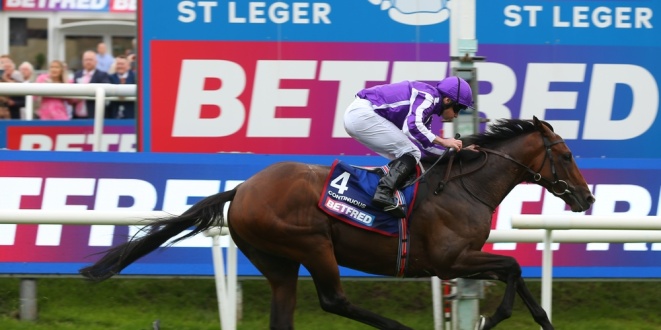
The Impact of Off-Season in British Horse Racing
The world of British horse racing is a vibrant tapestry woven with tradition, competition, and spectacular performances. However, the racing calendar has scheduled breaks that can significantly affect not only the horses and trainers but also the entire racing community. Understanding the implications of these off-seasons is crucial for anyone involved or interested in this exciting sport. For insights on racing management, visit British horse racing not on GamStop https://equifacs.co.uk/.
Introduction to the Racing Calendar
The British horse racing season is divided into various fixtures and events dominated by prestigious races such as The Grand National, Royal Ascot, and the Epsom Derby. Typically, the ‘flat’ racing season begins in April and runs through November, while ‘jump’ racing occurs primarily in the winter months. However, significant breaks exist within this calendar, leading to various implications for all stakeholders involved.
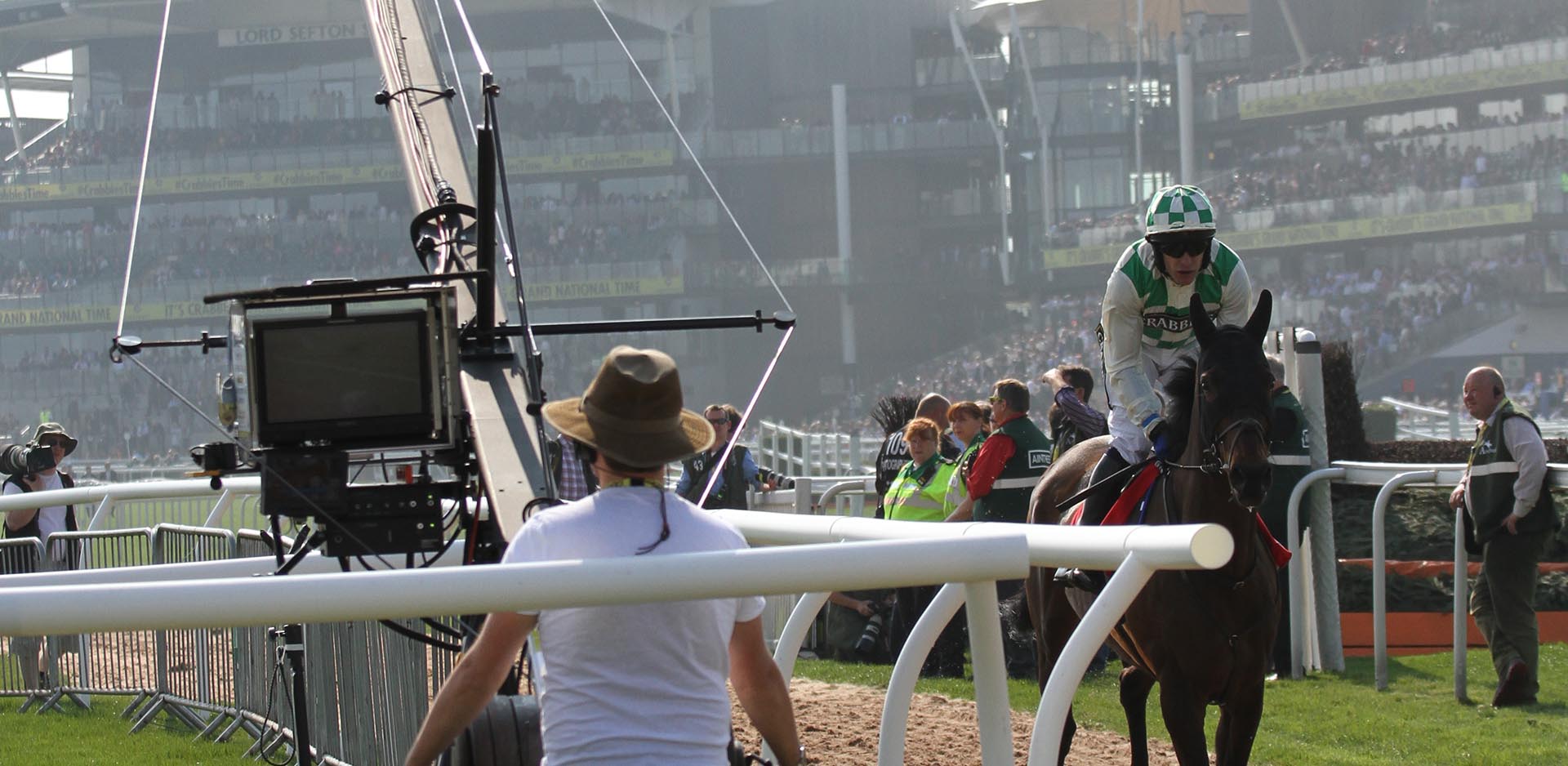
Understanding the Off-Season
The off-season in British horse racing consists of periods where official meetings and races do not occur. This timeframe can vary depending on numerous factors, including the type of racing (flat or jump) and specific situations affecting the calendar, such as weather or operational challenges. While it may seem like a time for rest, the off-season is filled with various activities essential for the well-being of the horses and the overall health of the racing ecosystem.
Effects on the Horses
During the off-season, trainers often focus on rehabilitation and preparation for the upcoming races. Horses are given the necessary time to recuperate from the rigors of racing, which is crucial to avoid burnout and injuries. Key activities during this period include:
- Rest and Recuperation: Ensuring that horses have adequate downtime to recover fully before resuming training.
- Training Regimens: Both flat and jump horses undergo tailored training programs that increase their stamina and refine their skills without the pressure of competition.
- Health Check-ups: Regular veterinary examinations take place to monitor their health and address any underlying issues before the season resumes.
- Nutritional Adjustments: Trainers may adjust diets to meet the specific needs of each horse based on the intensity of training and overall physical condition.
Impact on Trainers and Stable Staff
For trainers and stable staff, the off-season provides a unique opportunity to reflect on past performances and strategize for the future. Some critical aspects include:
- Assessment of the Past Season: Trainers evaluate which horses performed well, which did not, and what led to those outcomes.
- Formulating Strategies: Developing personalized strategies for each horse based on its needs and responses during the previous season.
- Training New Talent: This period allows trainers to introduce new horses into their training programs, ensuring they are ready for future competitions.
- Building Relationships: Maintaining good relationships with owners to ensure the long-term investment in training and care remains stable.
The Econo
.jpeg?width=455&height=350&crop=455:350)
mic Climate
The off-season also affects the economic landscape surrounding British horse racing. Local businesses, from betting shops to hospitality venues, often feel the impact of a quieter racing schedule. Some points to consider:
- Reduced Revenue: With fewer races, there is less betting activity, resulting in reduced income for businesses relying on race-day attendance.
- Event Planning: Some racing venues host events during the off-season to maintain engagement and income, including training sessions and exhibitions.
- Job Security: Staff may face uncertainty as fewer races can lead to reduced hours or layoffs, while others may find opportunities in alternative equestrian events.
Community Engagement and Education
The off-season can also serve as a time for community engagement and education. Various initiatives take place to promote awareness and involvement in the sport:
- Racing Schools: Programs aimed at introducing new participants to horse racing, educating them on both the sport and animal care.
- Workshops: Workshops and seminars hosted by trainers and experts to discuss training techniques, horse care, and betting strategies.
- Charity Events: Many trainers and racing organizations host charity events to give back to the community and promote a positive image of the sport.
Conclusion
The off-season in British horse racing may not be filled with the thrilling excitement of live races, but it plays a crucial role in the preparation, evaluation, and evolution of the sport. Trainers, owners, and horses utilize this downtime to ensure that when the racing action resumes, it is at its highest possible level. The dynamics of the racing community during this time highlight the significance of resilience and adaptability—qualities that are just as important off the track as they are on it. As we look forward to the resumption of racing, it is essential to recognize the many facets that contribute to the thriving world of British horse racing.