
The Role of Emotion in Gambling
The psychology of winning at the casino is largely influenced by emotional states. Players often experience a rush of excitement when participating in games, which can lead to impulsive behavior. This emotional high can cloud judgment, making it difficult for players to stick to their strategies and manage their bankroll effectively. Understanding how emotions play a role in decision-making can help gamblers maintain a level head while at the tables. Moreover, players who seek alternative forms of entertainment, such as non gamstop casinos uk, may find different dynamics that affect their gambling experience.
Furthermore, the feelings of anticipation and fear of loss can create a powerful psychological environment. This can lead gamblers to chase losses, resulting in risky behavior that deviates from their original plan. By recognizing and controlling these emotions, players can enhance their chances of making rational decisions that align with their winning strategies.
Understanding Cognitive Biases
Cognitive biases are mental shortcuts that can complicate decision-making processes in a casino setting. One common bias is the “gambler’s fallacy,” where individuals believe past outcomes will influence future ones, despite each event being independent. This misconception can lead to poor betting strategies and unwarranted confidence in winning streaks.
Acknowledging these cognitive biases allows players to approach the games with a clearer mindset. By educating oneself about these psychological traps, gamblers can make more informed decisions that align with probability and statistical principles, thus increasing their chance of success at the casino.
The Importance of Discipline and Strategy
Successful gambling is not just about luck; it heavily relies on discipline and a well-thought-out strategy. Players who establish clear rules for themselves, such as setting limits on losses and wins, tend to perform better in the long run. Discipline helps prevent emotional decision-making during high-pressure situations, ensuring that players adhere to their strategies regardless of the immediate outcome.
Additionally, having a defined strategy can alleviate the randomness often associated with casino games. Whether it’s a betting system or a specific game approach, having a plan helps players feel more in control and less susceptible to emotional turmoil. This psychological preparedness can be the difference between winning and losing in a casino environment.
The Social Aspect of Gambling
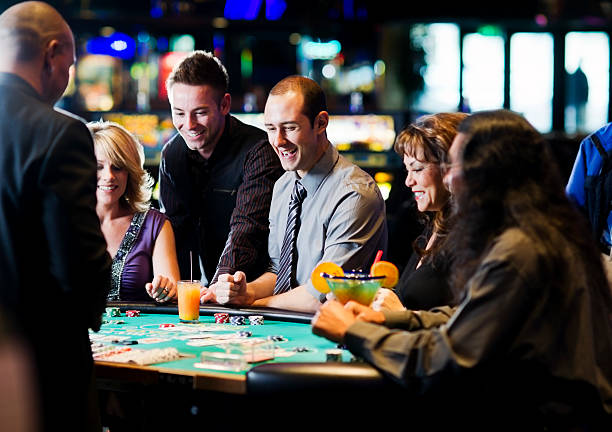
The social environment of a casino can also influence player behavior and psychology. The presence of other gamblers, the interaction with dealers, and the overall ambiance can create a sense of camaraderie or competition that can impact decision-making. Social cues can provoke emotions, which may lead to either heightened excitement or increased anxiety while playing.
Recognizing the social dynamics at play can help gamblers navigate the casino landscape more effectively. Establishing a supportive social network, or even engaging in friendly banter with others, can help maintain a positive atmosphere, which in turn may enhance the overall experience and potentially improve decision-making capabilities.
Moving Towards Responsible Gambling
As we explore the intricacies of gambling psychology, it’s crucial to emphasize the importance of responsible gambling. Players should be aware of their limits and recognize when to step back. The thrill of the game should never overshadow the intent to play responsibly. This balance is key to long-term enjoyment and success.
By fostering a healthy relationship with gambling, individuals can engage in the excitement of the casino while ensuring their well-being. Maintaining awareness of one’s psychological state, employing strategic thinking, and upholding discipline are vital components in creating a sustainable gambling experience.